

Capturing the essence of food while traveling requires more than a simple snapshot; it demands creativity, timing, and an understanding of composition. Implementing photography flavor ideas can transform ordinary dishes into visual stories that convey culture, technique, and sensory delight. Whether photographing street food in bustling markets or plated delicacies in high-end restaurants, the goal is to make viewers almost taste the dish through the lens.
Understand the Story Behind the Dish
Every meal has a narrative waiting to be told. Start by observing the context in which the food is prepared and served. Market stalls, open kitchens, and local dining spots provide a backdrop that conveys authenticity. Capturing chefs in action, ingredients being chopped, or steam rising from freshly cooked dishes adds depth and vibrancy to your photographs. Highlighting these details allows viewers to experience the dish beyond its visual appeal.
Master Lighting Techniques
Lighting is paramount in food photography. Natural light often works best, offering warmth and true-to-life colors. Position your camera near windows or open spaces when possible. Avoid harsh overhead lights that cast unflattering shadows. For evening or indoor shoots, use soft, diffused lighting to maintain the food’s texture and appeal. Experimenting with backlighting can also enhance elements like translucence in sauces or glistening surfaces on fresh produce.
Play with Angles and Composition
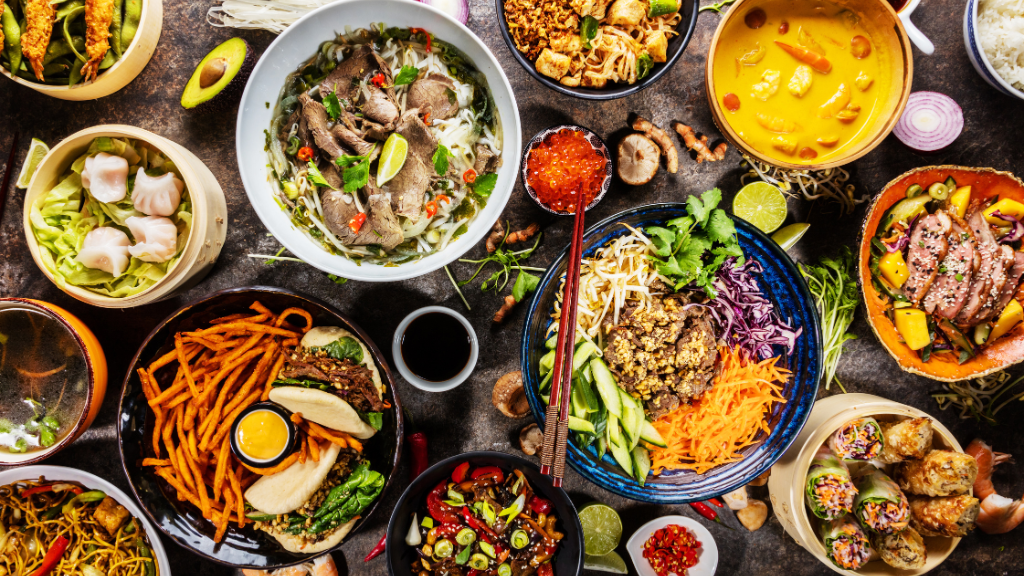
Varying angles can drastically change the perception of a dish. Overhead shots provide a clear layout for platters and spreads, while 45-degree angles emphasize height and texture. Close-ups allow for intricate details, highlighting garnishes or delicate ingredients. Use the rule of thirds to create balanced compositions, but don’t hesitate to break conventions for dynamic results. Incorporating surrounding elements like utensils, table settings, or hands can add human interest and scale.
Highlight Colors and Textures
Food is defined by its colors, textures, and contrasts. Vibrant vegetables, caramelized edges, and glossy sauces can be emphasized by focusing on contrast and saturation. Using shallow depth of field draws attention to the main subject while softly blurring the background. This technique makes the dish pop and guides the viewer’s eye to essential flavor components. Layering textures, such as crispy bread beside creamy dips, creates visual interest and conveys mouthwatering realism.
Incorporate Cultural Elements
Culinary travel photography is not just about the food but also about the culture surrounding it. Include elements like rustic bowls, local fabrics, or market scenes to contextualize the cuisine. Capturing traditional cooking methods or unique serving practices enhances the story and offers viewers an authentic sense of place. Cultural cues enrich your photography, making it more engaging and informative.
Experiment with Movement
Adding subtle movement can bring photographs to life. Capture pouring sauces, sizzling pans, or the motion of tossing ingredients. This technique conveys freshness and action, allowing viewers to feel the energy of the cooking process. Using slightly slower shutter speeds can create an artistic blur that emphasizes motion without losing detail.
Edit Thoughtfully
Post-processing is essential to highlight textures, correct color imbalances, and enhance details without over-editing. Adjust brightness, contrast, and saturation carefully to maintain authenticity. A well-edited photograph should elevate the food’s appeal while staying true to its original look and flavor.
Culinary travel photography is a harmonious blend of technical skill and creative intuition. By applying photography flavor ideas, travelers can transform their food experiences into captivating visual stories. From understanding the dish’s narrative and mastering lighting to experimenting with angles, colors, and movement, each photograph becomes a flavorful journey in itself. Thoughtful composition and contextual elements allow viewers to almost taste, smell, and feel the cuisine, creating an immersive experience that goes far beyond the plate.


More Stories
Family-Friendly Culinary Travel Spots to Try
Culinary Travel Packing Guide for Food Explorers
Culinary Travel Skills Every Food Explorer Needs