

Traveling is not merely about visiting destinations; it is about immersing oneself in the culture, history, and heartbeat of a place. To truly experience the depth of global exploration, travelers must cultivate certain proficiencies that transform ordinary journeys into profound adventures. Mastering essential explorer skills ensures that every excursion becomes both meaningful and memorable, bridging the gap between curiosity and understanding.
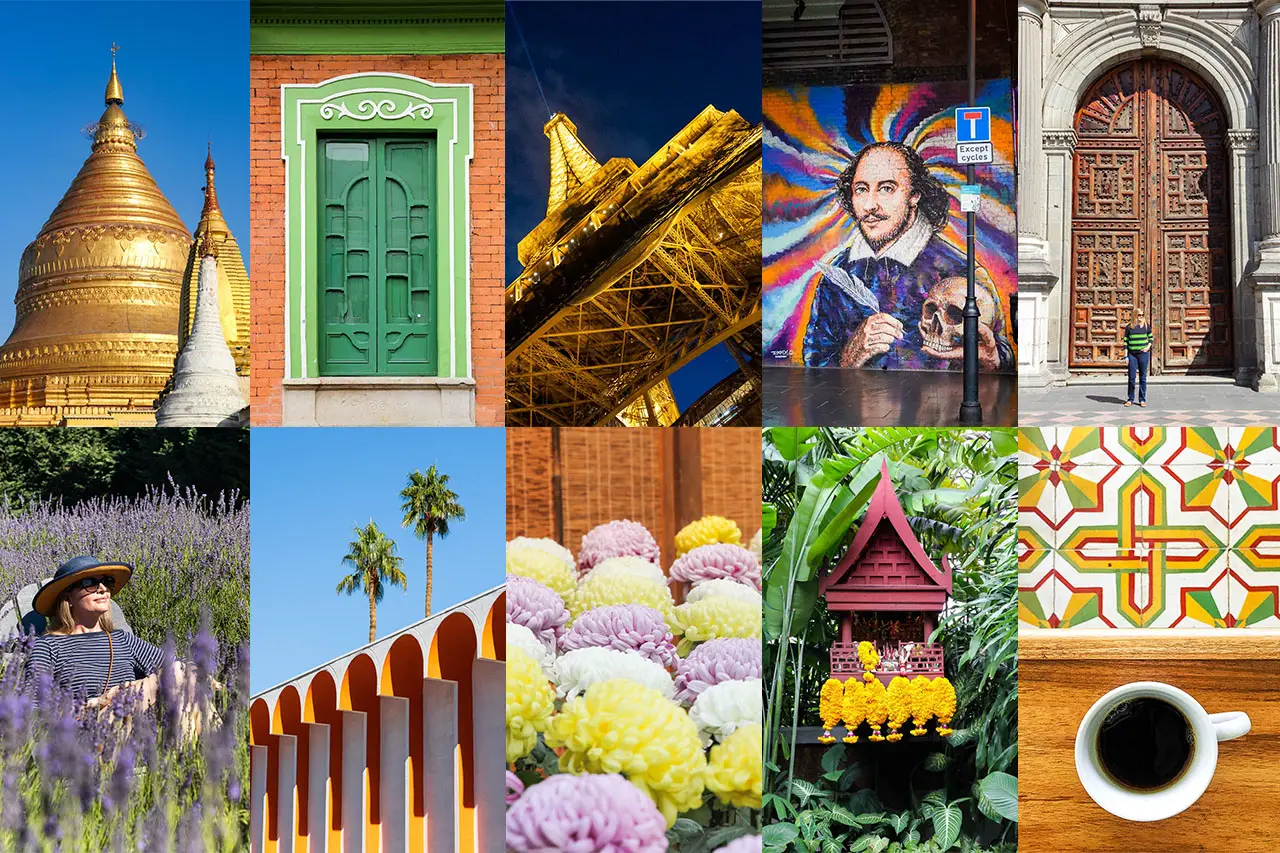
Observational Awareness
The first skill every cultural traveler should develop is keen observational awareness. Noticing subtle details—gestures, street signage, local attire, and market rhythms—provides context and insight into everyday life. Observing quietly before engaging allows travelers to respect social norms and anticipate cultural nuances. This heightened perception fosters deeper appreciation of a community’s rhythms, creating a foundation for authentic interaction and learning.
Effective Communication
Communication extends beyond language fluency. While learning basic phrases in the local tongue is invaluable, understanding nonverbal cues, tone, and context is equally crucial. Gestures, eye contact, and polite expressions often convey more than words. Travelers who practice attentive listening and culturally sensitive dialogue demonstrate respect, opening doors to meaningful conversations and insider knowledge. This skill allows for smoother navigation of unfamiliar spaces and strengthens connections with locals.
Adaptability and Flexibility
Cultural travel often presents unexpected situations: delayed transport, spontaneous festival participation, or unfamiliar dining customs. Adaptability enables explorers to embrace these surprises without frustration, while flexibility allows for a shift in plans without sacrificing enjoyment. Those who cultivate resilience and a positive mindset can transform potential inconveniences into memorable experiences, embodying the spirit of an inquisitive and open-minded traveler.
Research and Cultural Literacy
Understanding the history, politics, and traditions of a destination enhances every journey. Pre-trip research provides context for architectural marvels, historical landmarks, and cultural rituals. Learning about social customs, dietary habits, and etiquette ensures respectful engagement. Cultural literacy also involves recognizing local sensitivities and avoiding assumptions, which is indispensable for travelers seeking to leave a positive impact on the communities they visit.
Navigation and Spatial Skills
Explorers benefit from mastering both digital and traditional navigation methods. While smartphones provide maps and translation tools, reading physical maps, noting landmarks, and observing natural cues develop a more instinctive sense of place. Spatial awareness aids in discovering hidden alleys, secluded markets, and panoramic viewpoints. The ability to navigate independently transforms travel from a passive experience into an active exploration, increasing confidence and spontaneity.
Mindful Observation of Etiquette
Every culture has its own set of unspoken rules. Learning to dress appropriately, greet respectfully, and participate in customs without disruption is essential. Mindful etiquette demonstrates humility and appreciation, signaling to locals that travelers honor their traditions. Observing and following local practices, from dining habits to religious rituals, fosters authentic engagement and avoids inadvertent offense.
Storytelling and Reflection
Finally, documenting experiences through notes, photography, or storytelling allows travelers to process and share their discoveries. Reflective storytelling enhances personal insight, strengthens memory, and communicates the richness of cultural encounters to others. Explorers who cultivate this skill not only preserve their journeys but also inspire fellow travelers to approach cultural immersion with curiosity and respect.
Mastering essential explorer skills equips travelers to move beyond superficial sightseeing, fostering authentic connections, profound learning, and personal growth. From observational awareness and effective communication to adaptability, cultural literacy, and mindful etiquette, each skill enriches the journey, creating experiences that resonate long after the trip concludes. By approaching every destination with curiosity, respect, and openness, explorers unlock the true essence of cultural travel: a dynamic interplay between discovery and understanding, adventure and reflection.


More Stories
Cultural Travel Stories From Around the World
Eco-Friendly Cultural Travel for Conscious Tourists
Weekend Cultural Travel Getaways to Remember