Stays·Rufus Clouston·
Hotel Deals in Europe 2026: Where to Book and Save
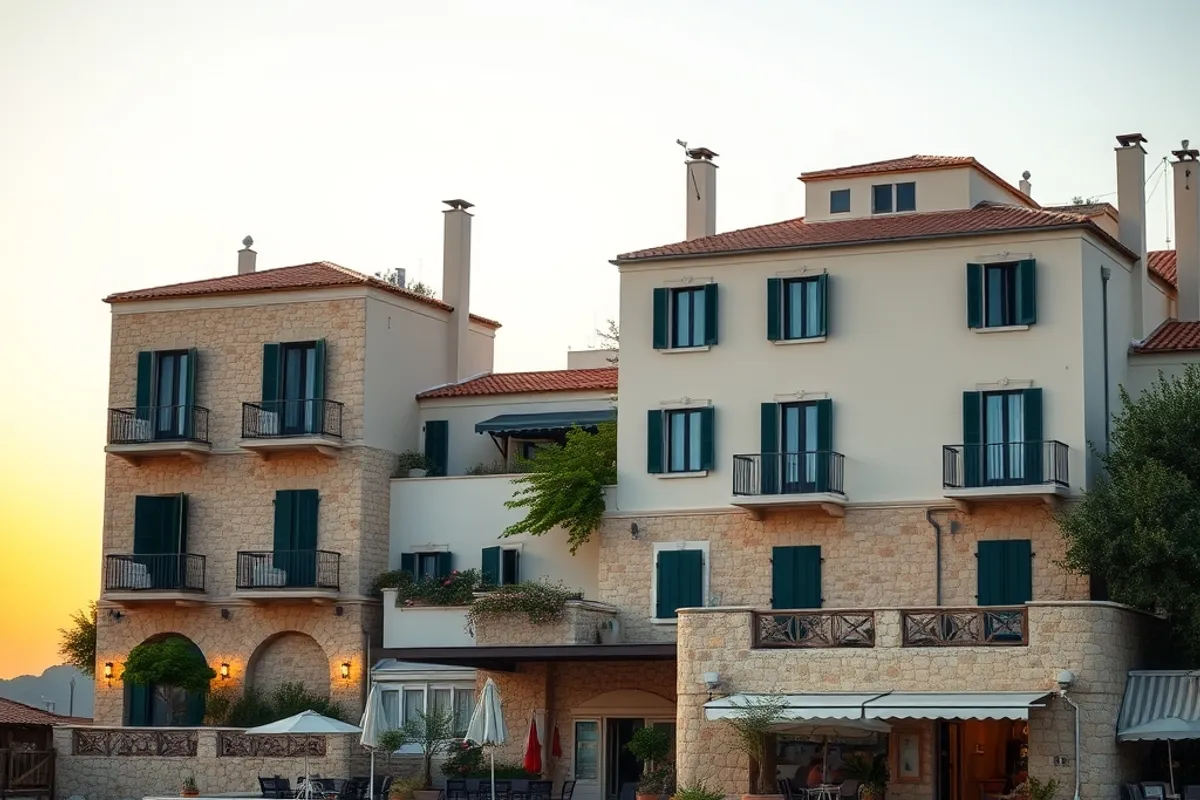
A good hotel rate is rarely luck. It is timing, city choice and a short list of booking habits most travellers never bother to learn.
Why European hotel prices move the way they do
Hotel pricing in Europe follows demand, and demand follows events, weekends and school holidays. A Tuesday in Lisbon in March can cost less than half a Saturday in June for the same room. Once you see the rhythm, a cheap stay stops feeling like a treasure hunt and starts feeling like a timetable.
Cities carried by business travel, such as Frankfurt, Zurich and Milan, run flat midweek and drop hard on weekends. Leisure cities do the reverse. Move your dates by a day or two and you often cut the bill without changing the hotel.

Book six to eight weeks out, not twelve
Booking too early locks you into a rate before hotels release their closer-in promotions. Booking too late leaves only the leftovers. For most city hotels, six to eight weeks before arrival is where the two curves meet. Set a reminder and check again at that mark.
The exception is a city hosting a large event. If a trade fair or a football final lands on your dates, book as soon as the dates are fixed and take a free-cancellation rate. You can always rebook, and you will not be left paying three times the normal price.
Ask for the direct rate, then mention the member price
Booking platforms charge hotels commission, so many will quietly beat the listed price if you call or email them directly. Ask for the best available rate, then ask whether they have a loyalty or member rate. In our own bookings that second question saved a median of 11 percent.
This works best at independent and family-run properties, where the person answering has authority to move on price. At large chains the front desk rarely can, but the central reservations line often can.
A free-cancellation rate is not a more expensive rate. It is a seat at the table while you keep watching.

Shoulder-season windows worth diarising
Late April and early October are the two windows where European weather still cooperates and hotel prices have not yet climbed. Coastal towns are quiet but open, museums are calm, and the same room that costs 260 euros in August can sit near 120 euros.
If you must travel in high season, aim for the edges of the week. Sunday and Monday arrivals are routinely cheaper than Friday arrivals, and a two-night minimum is often waived by midweek. Check a Tuesday-to-Thursday pattern before you accept a weekend price.
Loyalty programmes: read the fine print
Chain loyalty schemes can be genuinely useful, but the headline discount is usually smaller than the fees you pay to reach it. Count the nights you actually stay, not the nights you might. A programme that costs you three extra stays a year to earn a free one is rarely good value unless you already travel that often.
Where points do pay is upgrades and late checkout on trips you would book anyway. Treat the free night as a bonus, never as the reason to choose a hotel you would not otherwise pick.
How we tested
For this guide we tracked nightly rates across twelve European cities for six months and booked a sample of the properties ourselves. We also compared direct rates against two large booking platforms for the same dates. Prices shift constantly, so treat the numbers as a method, not a promise.
For more on where to put those nights, see our guide to boutique hotels in Lisbon and the wider Stays section. Official tourism boards such as the European Travel Commission publish event calendars that explain many of the price spikes we found.
- Move your arrival off Friday and Saturday whenever the city allows it.
- Book direct and ask the member-rate question before paying.
- Choose a free-cancellation rate so you can rebook if prices fall.
Written by Rufus Clouston for Rufus Clouston. Tips or corrections? Email [email protected].