City Guides·Tom Baird·
Tokyo Neighborhoods: A City Guide for First-Timers
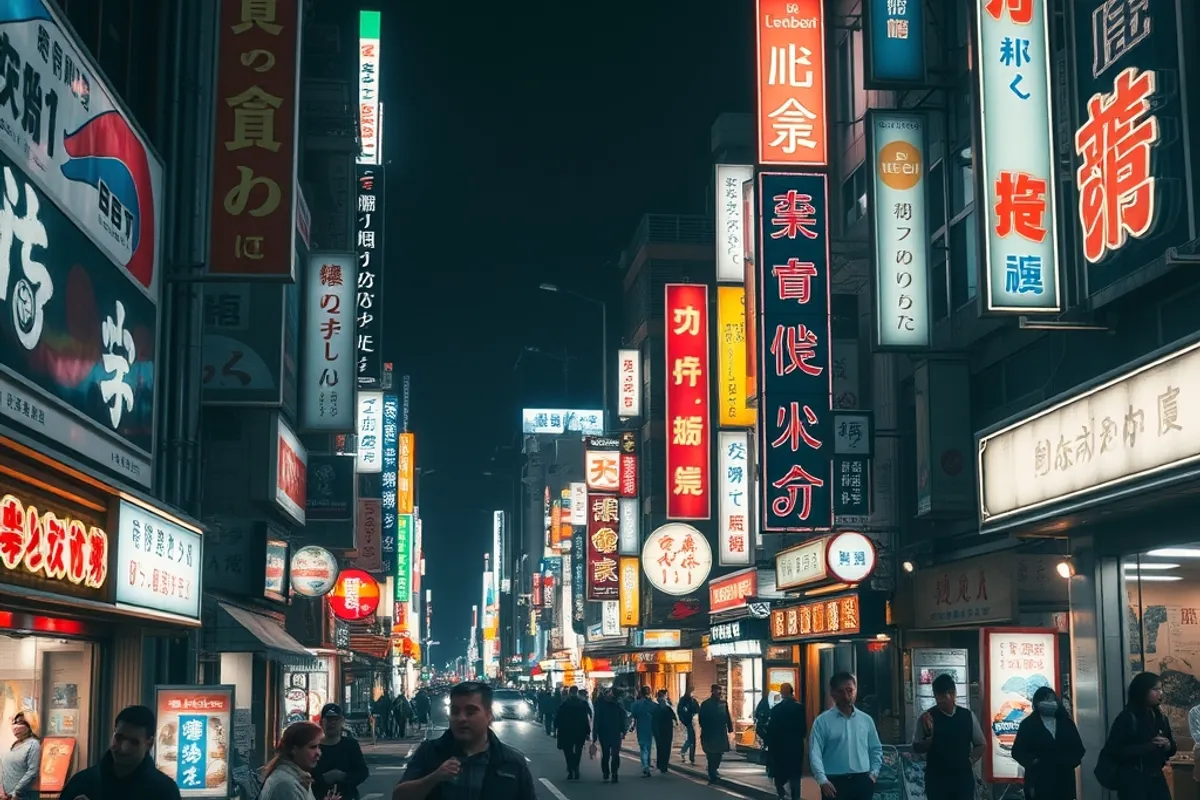
Tokyo is not one city but a dozen, stitched together by trains. Choose the right neighborhood and the whole trip gets easier.
Start with the train map, not the guidebook
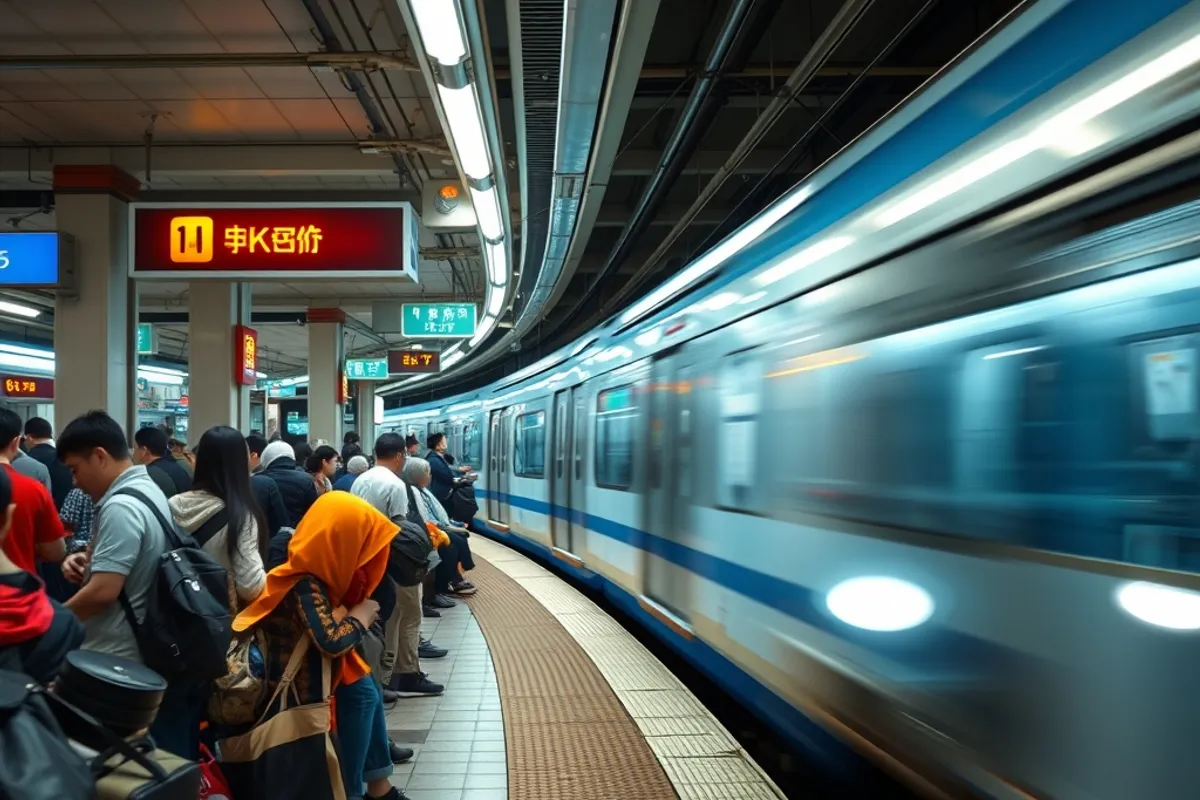
Tokyo makes sense once you understand the rail loop. The Yamanote line circles the center, connecting the big districts in about an hour. Most first-timers sleep somewhere on or near that loop, which keeps every day trip simple.
The airport trains drop you at major hubs, so a hotel near a hub means no taxi and no stress on arrival. From there the city opens up in every direction.
Shinjuku and Shibuya: energy and convenience
Shinjuku is the practical first base. Trains run late, the station connects to almost everything, and the streets stay busy enough that you never feel lost for long. It is also loud, bright and relentless, which is either the appeal or the reason to avoid it.
Shibuya is a younger, faster version of the same idea, with the famous crossing as a landmark to navigate by. Both are excellent for a first visit and tiring by the third night.
Yanaka, Nezu and the old city
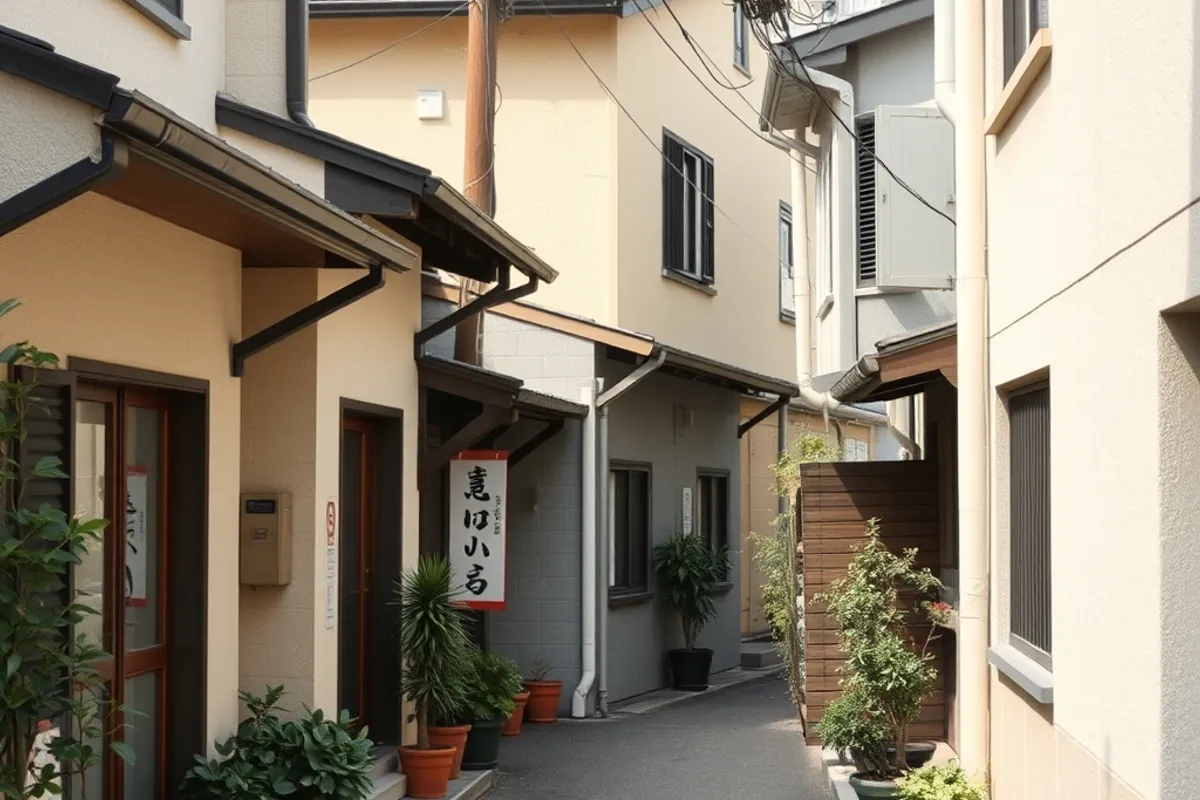
Head north and Tokyo drops to two storeys. Yanaka and Nezu kept their low wooden houses, small temples and slow lanes, and they feel like a different era. This is where to wander without a plan, stop for tea, and remember that the city was not always towers.
Stay here if you want quiet nights and do not mind one extra train to reach the neon. The payoff is a calmer morning and cheaper rooms.
Where to eat like a local
The best meals we had were at counters with six seats and no menu in English. Point at what the person beside you ordered, thank the chef, and eat. In Tokyo that approach rarely disappoints, and it costs a fraction of a tourist restaurant.
Convenience stores are not a compromise. A late-night rice ball and a hot drink from a station shop is a genuine Tokyo meal, and the range is better than most visitors expect.
The city rewards walking between stations, not just arriving at them.
Money, cards and small change
Cards are accepted more widely than a few years ago, but small shops and older restaurants still prefer cash. Carry some yen and keep coins for ticket machines and shrines. A rechargeable transit card works on trains, buses and many vending machines.
Tipping is not expected and can confuse. Good service is the standard, not a favour. If you want to show appreciation, a small bow and a clear thank you go further than a note on the table.
Day trips from the center
From Shinjuku or Tokyo station you can reach the mountains in under two hours. Pick one day trip, not three. A single slow day outside the city teaches you more about Japan than a rushed checklist of famous views.
For another city that rewards neighborhood thinking, read our Mexico City food walking guide, or browse more in City Guides. The Japan National Tourism Organization also maintains a reliable transport and events page.
Written by Tom Baird for Rufus Clouston. Tips or corrections? Email [email protected].