Luxury Travel·Tom Baird·
Luxury Safari Lodges in Kenya: What Your Money Buys
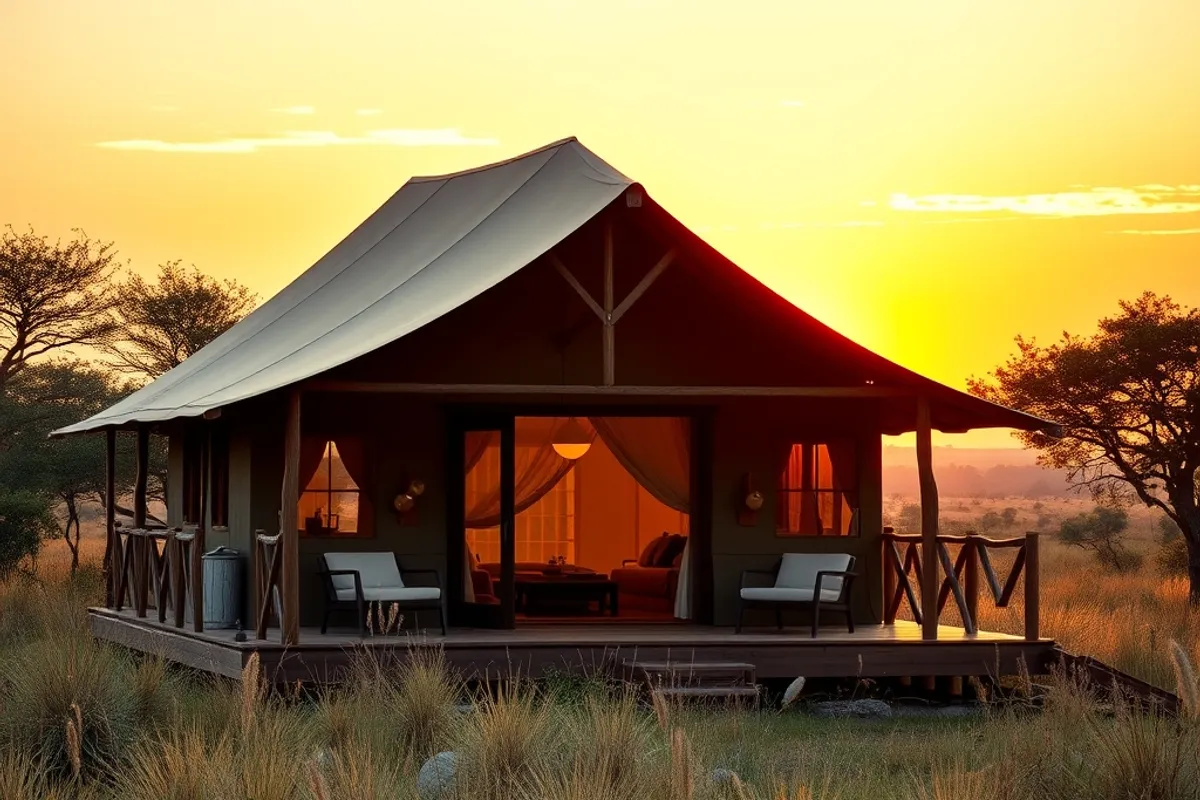
A Kenyan lodge can cost more per night than a city hotel for a week. Here is exactly what that buys, and what it does not.
What a nightly rate actually covers
At most Kenyan lodges the rate is full board and includes two game drives a day, plus park fees at some camps and not at others. That changes the maths. A rate that looks high may include everything, while a cheaper one adds fees, drinks and drives on top.
Always ask for the total, not the headline. Add park fees, conservancy fees, drinks, laundry and transfers, and compare camps on the final number. The cheapest-looking lodge is often not.
Why the guide decides your trip
A great guide finds animals, reads tracks and knows when to wait. A poor one drives in circles and calls it a drive. Ask how guides are assigned and whether you keep the same one for your stay. A camp that rotates guides at random is usually a camp that invests less in them.
The room matters less than you think. You sleep in it, but you remember the drives, the light and the silence. A simpler tent with a superb guide beats a lavish suite with an average one every time.
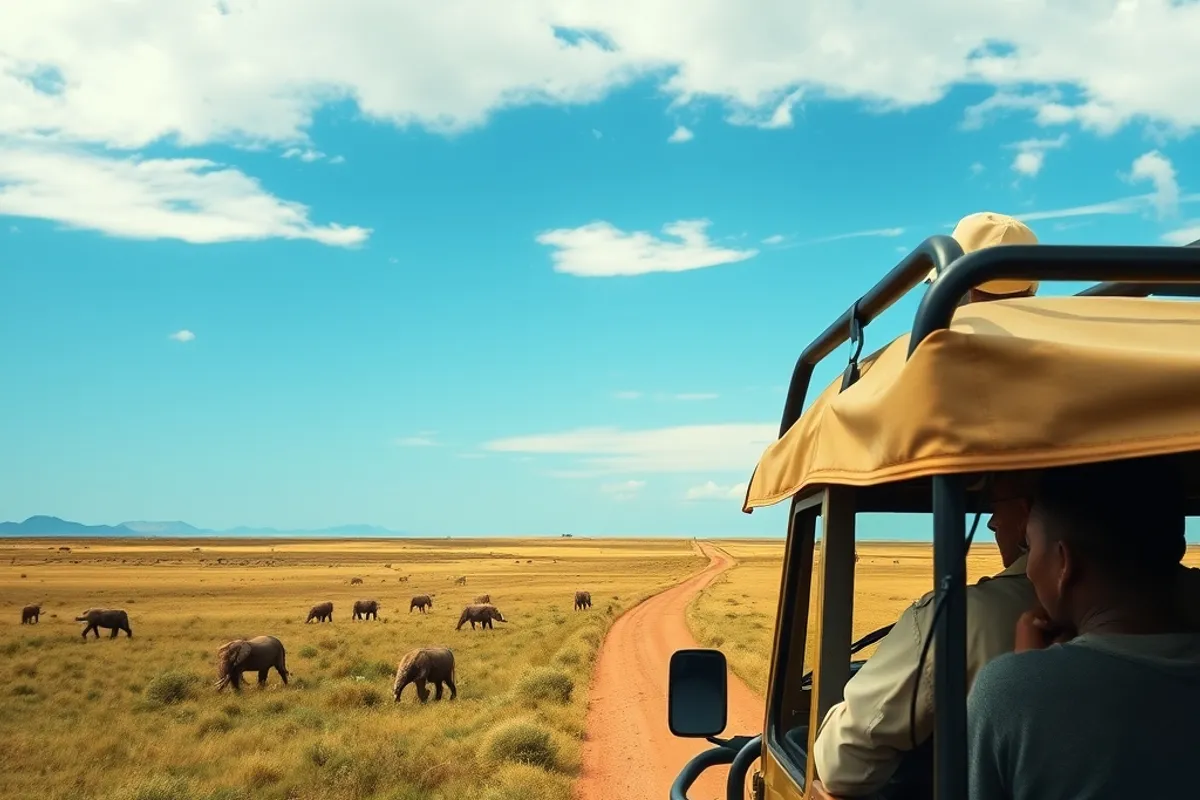
Location: inside the park or outside it
Staying inside a national park means short drives to the animals and early access before day visitors arrive. Staying outside, often in a conservancy, means lower fees, fewer vehicles and more control over off-road viewing. Both have advantages; the wrong choice is a lodge that is far from everything.
A conservancy can actually offer a better experience for the money. You trade some famous scenery for quieter sightings and community-run guiding, and your fees support conservation directly.
A busy sighting with ten vehicles around one lion is not a luxury. A quiet one with two is.

When to go for value
The dry season, roughly July to October, offers the best wildlife viewing and the highest prices. The green season brings rain, newborn animals and lower rates, and many camps stay open with excellent birding. If your dates are flexible, the shoulder weeks around the edges of the dry season are the sweet spot.
Book early for the peak. The best guides and the best tents go first, and a lodge that is full months ahead is often full for good reason.
Health, safety and logistics
Kenya requires a visa for many visitors, and some countries need a yellow-fever certificate. Check the rules for your passport well before you book. Malaria precautions depend on the region and season, so speak to a travel clinic rather than relying on forums.
For the financial side of a big-ticket trip, read our travel insurance guide, and for the flight and packing side see Travel Tips. the Kenya Tourism Board lists current entry rules and conservancy options.
Written by Tom Baird for Rufus Clouston. Tips or corrections? Email [email protected].