Beach Escapes·Jonas Keller·
Algarve Beach Escapes: Portugal Between the Cliffs
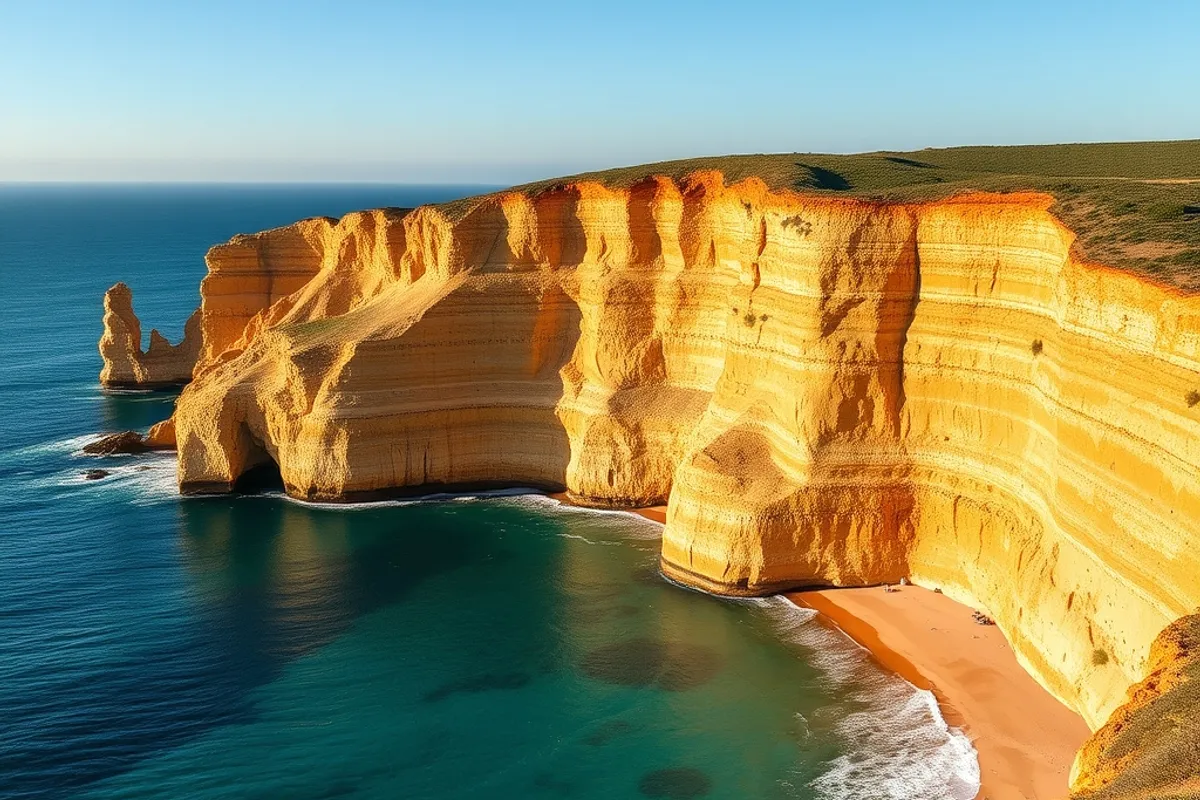
The Algarve is more than a strip of sand. The cliffs, the tides and the town you choose decide whether it is a postcard or a scramble.
The Algarve is two coastlines
Most visitors know the golden beaches east of Albufeira, wide and calm and busy. The western coast is a different place: colder water, stronger wind, and cliffs that drop straight into the Atlantic. Choosing the right one for your trip changes everything.
If you want a classic beach holiday with a town at your back, stay east. If you want dramatic scenery and quiet coves, drive west. The two are only an hour apart, so a week can hold both.
Understanding the tides
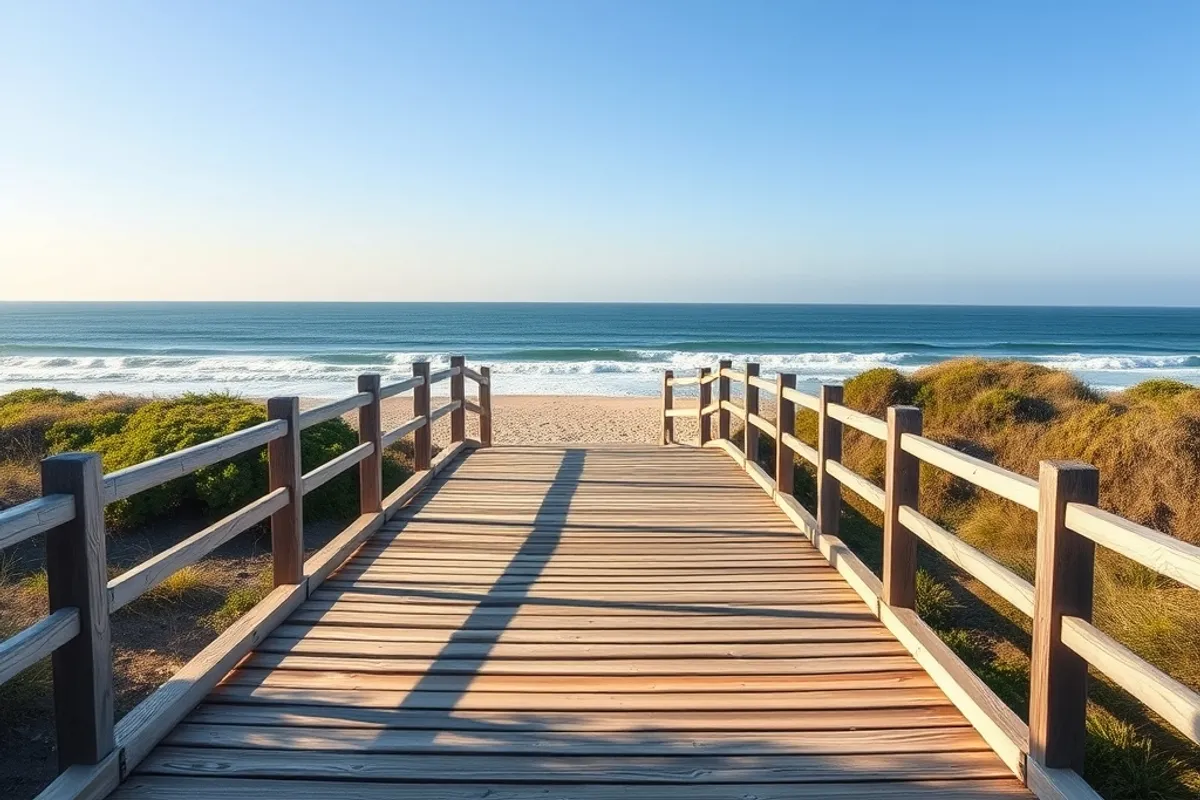
Many Algarve beaches are coves that fill with water at high tide and open wide at low tide. The same stretch of sand can be a crowded strip or a private bay depending on the hour. Check a tide table each morning and plan the day around it.
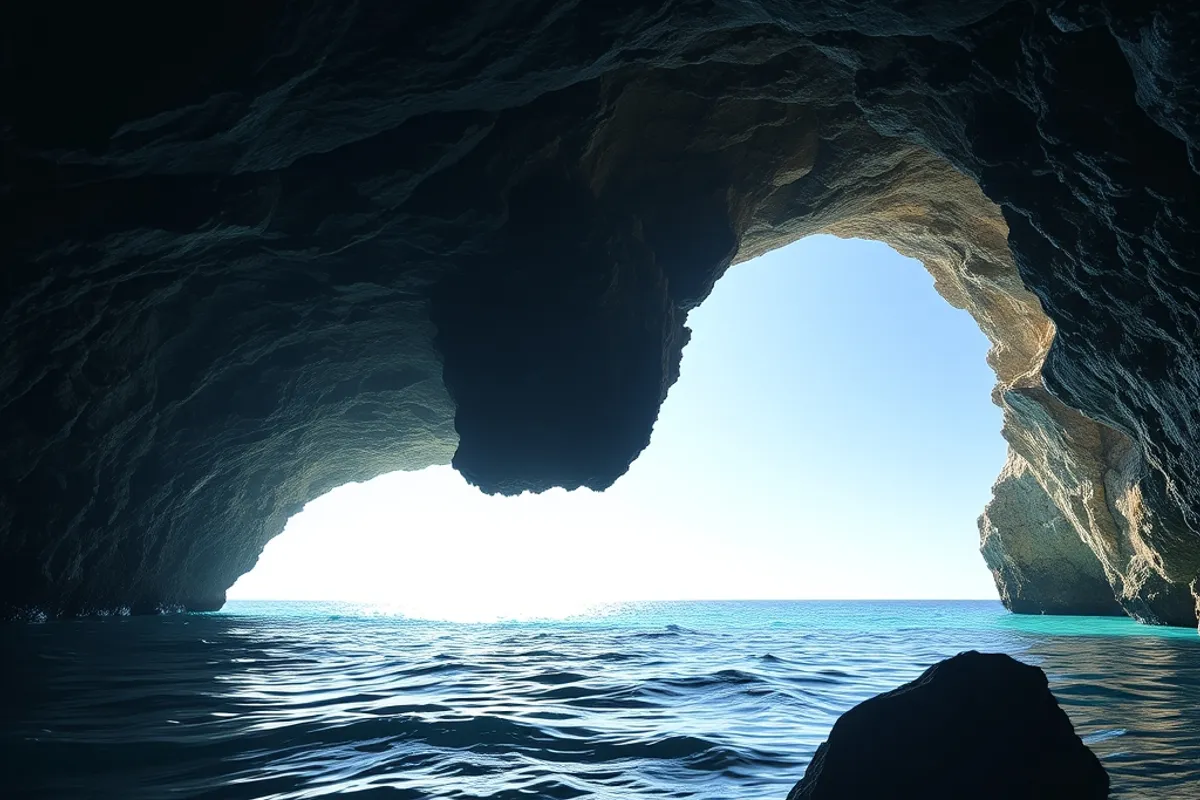
Low tide also reveals the best of the coast: sea caves, rock pools and passages between cliffs that are underwater the rest of the day. Time a walk or a kayak for the middle of the ebb.
Where to base yourself
Lagos, in the west, mixes a working town with some of the best coves in Portugal. It is walkable, has good food, and puts the dramatic Ponta da Piedade cliffs within reach on foot. It is our first choice for a car-free week.
Tavira, in the east, is quieter and more local, with a long island beach reached by ferry. It suits travellers who want calm and are happy to rent a car for the odd day trip.
Pick a town with a market, a beach and a bakery. Everything else in the Algarve is a drive away.
Swimming, cliffs and safety
The Atlantic is not a swimming pool. Currents are real, especially on the west coast, and lifeguards cover only part of the shoreline and only in summer. Swim where others swim, and never turn your back on the waves near rocks.
Cliff edges crumble. Stay behind the markers, keep children close, and skip the photo that requires standing on loose ground. The view from a safe distance is just as good.
When to go
July and August are warm and crowded. June and September give the same weather with fewer people and lower prices. Spring is lovely for walking but the sea is bracing, and winter is for storms and empty towns.
For a cooler, more northerly coast, see our Thailand island beach towns, or read more in Beach Escapes. Visit Portugal publishes tide-safe guidance and beach condition pages for the region.
Written by Jonas Keller for Rufus Clouston. Tips or corrections? Email [email protected].